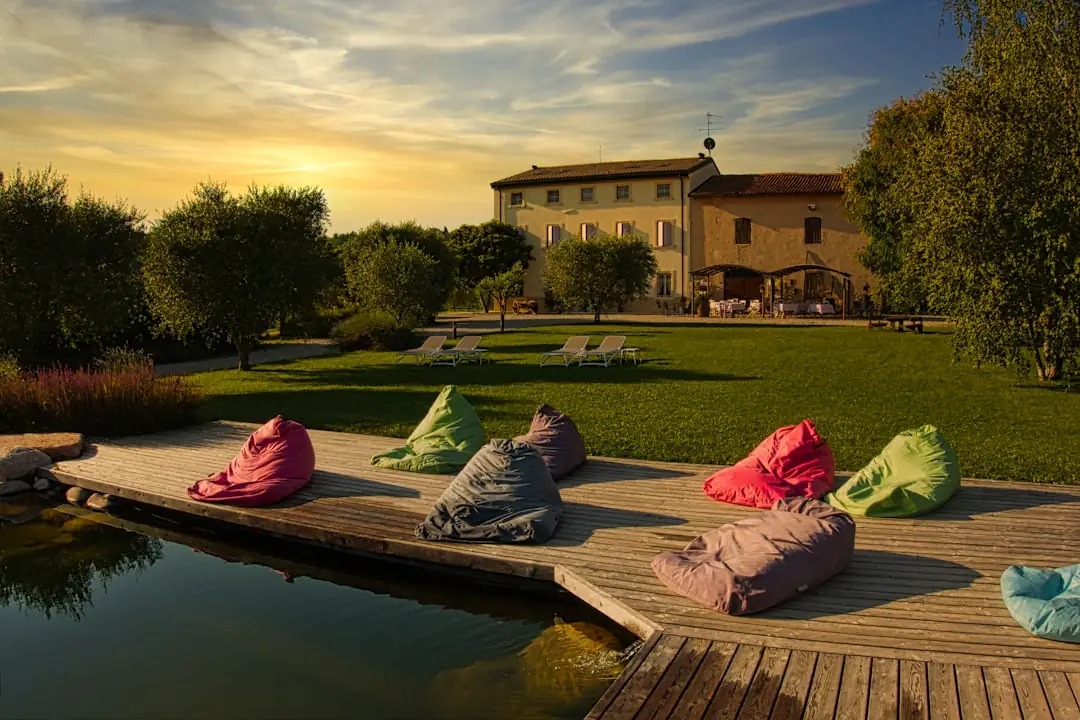
Swimming pond
Swimming in soft water without chlorine. A swimming zone approximately two metres deep, purified by plants in the shallow regeneration area.
All about swimming ponds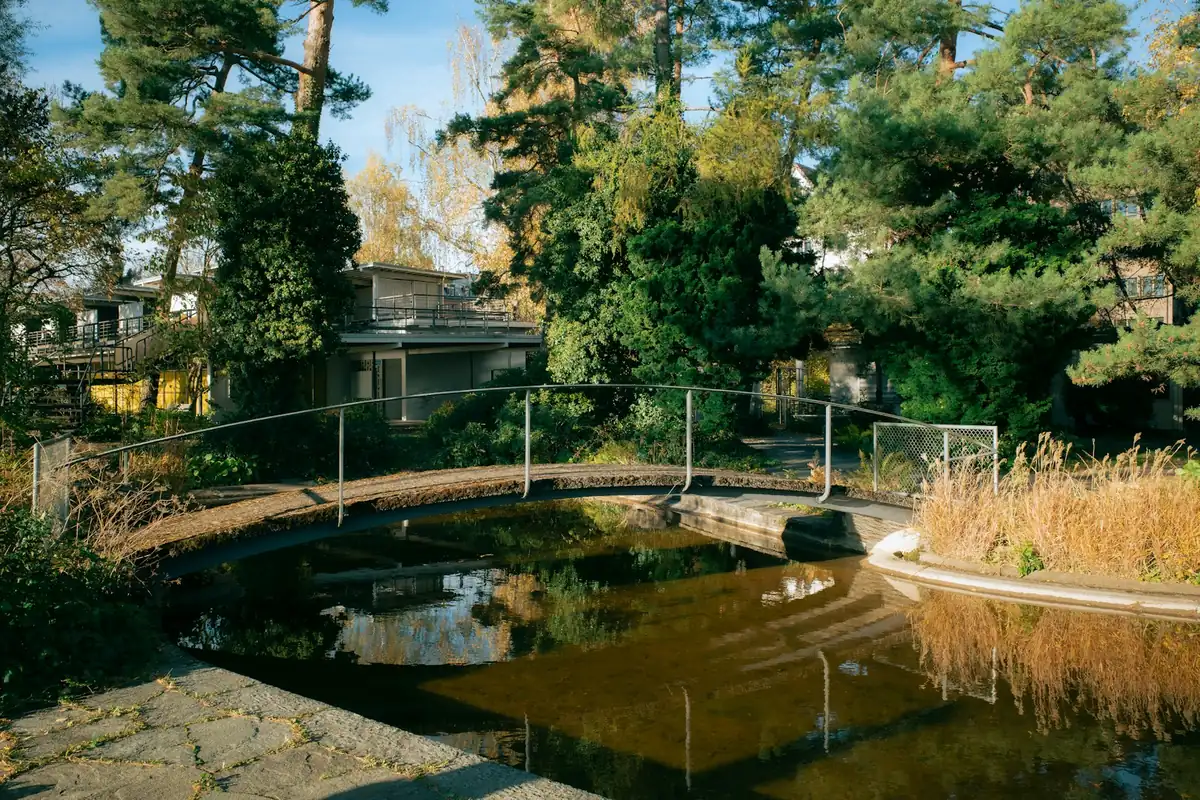
Swimming, ornamental and koi ponds turnkey. We design zones according to the plot, build a base that lasts for decades, and plant the banks so the water stays clean without chemicals.
I would like a pond design How a garden pond worksEach type has a different ratio of water, plants and equipment. We will help you choose based on what you expect from the pond, how much space you have and how much maintenance you are willing to undertake.
Swimming in soft water without chlorine. A swimming zone approximately two metres deep, purified by plants in the shallow regeneration area.
All about swimming ponds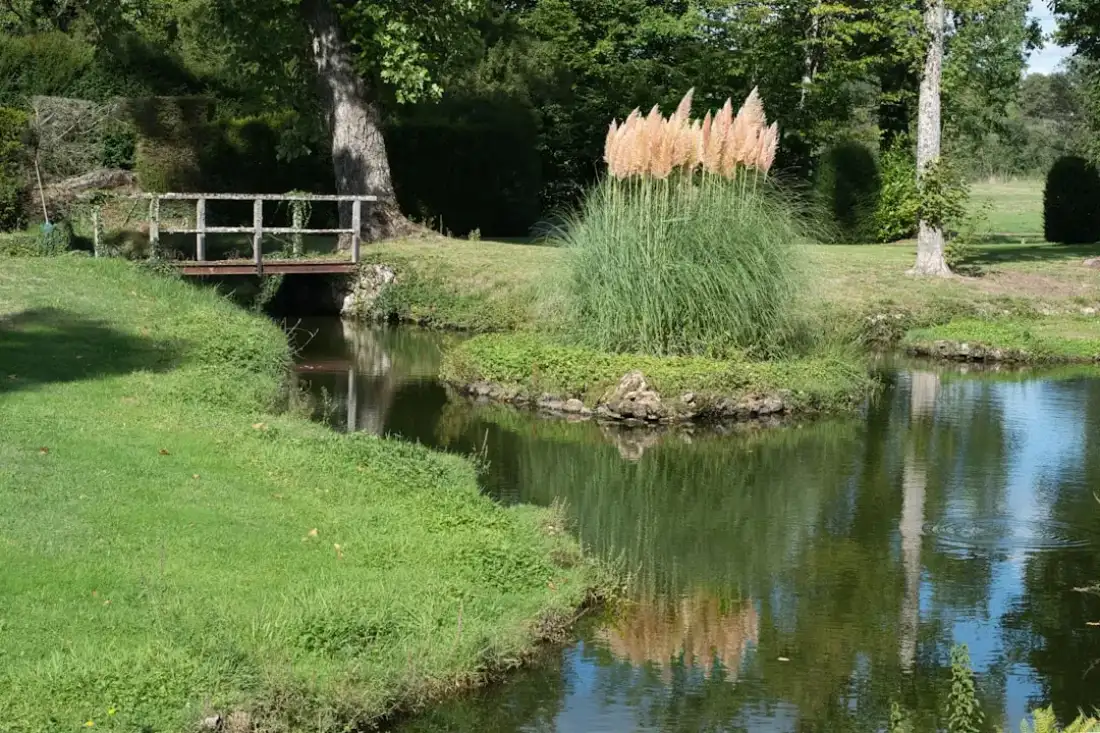
The most natural form of water in the garden. More plants, shallower banks, gentle entries and life around the water all year round.
What is a swimming biotope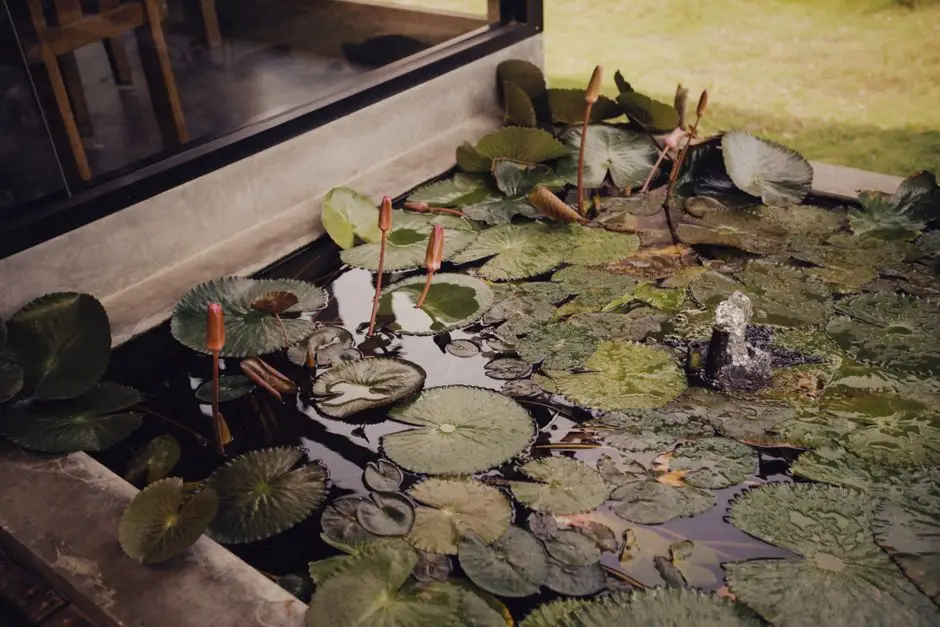
Water lilies, irises and the sound of water by the terrace. From a small pond for a few square metres to a pond with a stream and waterfall.
Ornamental ponds, streams and waterfalls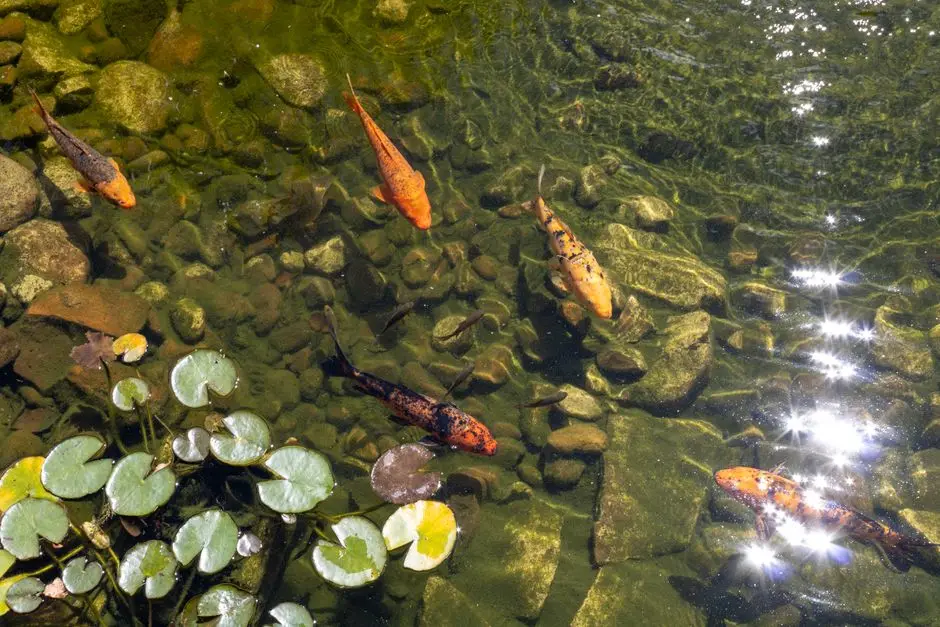
Fish pond construction: depth, bottom drains, drum filter and UV. Crystal-clear water where every fish is visible.
Koi ponds and filtrationA properly designed pond functions like a miniature lake: each zone has its own role. When depths, area ratios and materials are correct, the water stays clean without chemicals.
Building a garden pond combines earthworks, waterproofing, technical installation and landscaping in one. We manage the project from start to finish so you don't have to worry about where one team ends and another begins.
We will arrive, inspect the plot, measure the slope, access for machinery and sunlight exposure. We will ask how you intend to use the water.
You will receive a plan with depths, a plant list and an itemised budget. The price is final; additional charges only by agreement.
An excavator digs out the zones; we finish terraces and banks by hand. The soil is used for landscaping the surroundings or removed.
Geotextile, liner, welding of joints and tightness test. Installation of skimmer, pump, optionally filter and UV.
Stone banks, gravel beds and planting according to zones. Filling, equipment adjustment and handover with seasonal instructions.
The most common mistakes in DIY-built ponds become apparent only during reconstruction: shallow bottoms that turn green in summer, liners exposed to sunlight, incorrect zone ratios, and missing skimmers. Most of these can be corrected only by replacing the liner. That is why we prefer to dedicate time to the design phase.
Renovation and cleaning of existing ponds we do as well.
For the water to self-clean and be suitable for swimming, plan for a surface area of 50 to 70 m2. Roughly half is occupied by a shallow regeneration zone with plants, the other half by a swimming section about 2 metres deep. We can build smaller ponds with technical filtration that takes over part of the work done by the plants.
A pond or pool up to 40 m2 at a detached house, located at least 2 metres from the property boundary, is classified under the Building Act as a minor structure requiring neither a permit nor notification. Larger ponds generally require notification; those exceeding 300 m3 or featuring inflow and outflow also require a statement from the water authority. Each authority assesses cases slightly differently, so we will verify your specific situation for you.
Nutrients are removed from the water by wetland plants and microorganisms settled in the gravel bed of the regeneration zone. Water circulates between zones via a pump, while a skimmer collects coarse debris before it sinks to the bottom. This prevents algae growth. No chlorine or other chemicals are used.
We use pond liners with a thickness of at least 1 mm (PVC or EPDM), laid on protective geotextile. Manufacturers typically provide a warranty of 10 years or more, while the actual service life is often many times longer, provided the liner is not exposed to sunlight or mechanical damage. Therefore, we always cover it with gravel and stones.
In spring, sludge removal from the bottom and trimming of plants; during the season, occasional leaf removal and water top-up; in autumn, installation of a leaf net and winterisation of equipment. If you do not wish to deal with any of this, we will take it over. service us.
A pond is a living ecosystem: chlorine-free water, plants, a natural appearance all year round and lower running costs. A pool offers constant temperature, crystal-clear water and a smaller footprint. If you prefer a pool, our colleagues will build it for you. novybazen.cz.
Just a few details. We will contact you within 24 hours to discuss your expectations for the water feature and arrange a free survey.